Key Takeaways
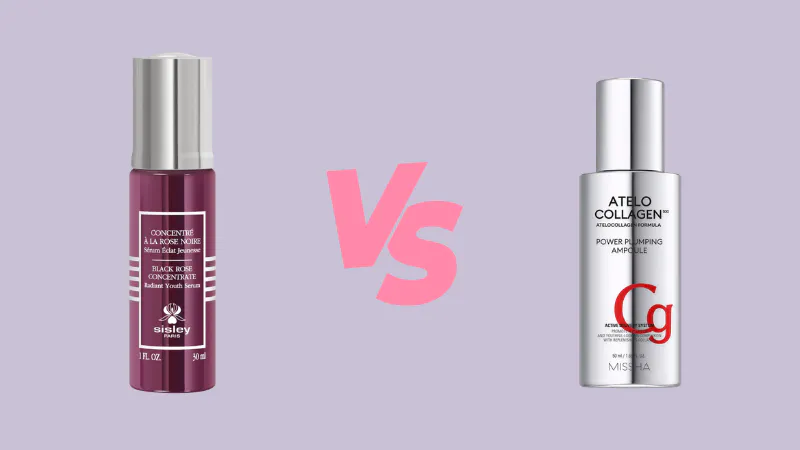
The best ingredient-matched alternative to the Sisley Black Rose Concentrate Radiant Youth Serum is the Missha Atelo Collagen 500 Power Plumping Ampoule. It matches on all three core functional ingredients plus Sisley's most distinctive active, at roughly a tenth of the price.
- The Sisley Black Rose Concentrate ($320) has three core functional ingredients: Ascophyllum Nodosum Extract (brown seaweed), Sodium Hyaluronate, and Glycerin. Its most distinctive bonus ingredient is Cyanocobalamin (Vitamin B12).
- The Missha Atelo Collagen 500 ($29.90) matches on all three core ingredients plus the Vitamin B12, while adding Niacinamide, multiple collagen types, and Centella Asiatica.
- Both are anti-aging serums that claim to plump and firm skin. Sisley leans into radiance and luminosity. Missha focuses on wrinkle smoothing and collagen delivery.
- The price difference is $290, making the Missha over 90% cheaper.
What's actually inside the Sisley Black Rose Concentrate?
Sisley's Black Rose Concentrate Radiant Youth Serum is positioned as a luxury anti-aging serum that targets what the brand calls "silent aging." It retails at $320 for 30ml, making it one of the more expensive serums on the market.
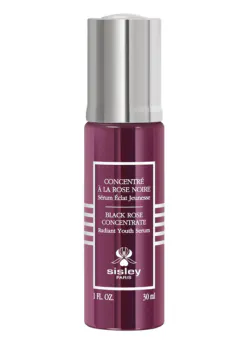
Here's the full ingredient list: Aqua/Water/Eau, Rosa Centifolia Flower Water, Propanediol, Glycerin, Alcohol Denat., Pentylene Glycol, Ascophyllum Nodosum Extract, Sodium Hyaluronate, Biosaccharide Gum-1, Citrus Limon (Lemon) Fruit Extract, Rosa Hybrid Flower Extract, Vitis Vinifera (Grape) Leaf Extract, Cyanocobalamin, Hydrolyzed Vegetable Protein, Michelia Alba Leaf Oil, Pelargonium Graveolens Oil, Rosa Damascena Flower Oil, Polyglyceryl-10 Stearate, Glyceryl Caprylate/Caprate, Polyglyceryl-10 Oleate, Maltodextrin, Cellulose Gum, Carbomer, Sodium Citrate, Butylene Glycol, Citric Acid, Algin, Sodium Benzoate, Potassium Sorbate, Linalool, Pelargonium Graveolens Flower Oil, Citronellol, Geraniol, Beta-Caryophyllene, Citral, Pinene, Terpineol, Geranyl Acetate.
That's over 30 ingredients. A significant portion of that list is fragrance compounds (linalool, citronellol, geraniol, beta-caryophyllene, citral, pinene, terpineol, geranyl acetate) and emulsifiers/preservatives. When you strip those away, the ingredients doing the functional work are more limited than the list suggests.
What are the three core functional ingredients in Sisley Black Rose?
We identified three ingredients that most likely form the functional backbone of this serum.
Ascophyllum Nodosum Extract seems to be the star active. It's a brown seaweed, also known as knotted wrack, that's rich in polyphenols, fucoidan, and minerals. It delivers antioxidant protection and skin-firming benefits. Sisley themselves refer to this as "Rockweed extract" in their marketing. This is the ingredient justifying the anti-aging and radiance claims.
Sodium Hyaluronate is low molecular weight hyaluronic acid. It penetrates the skin to attract and hold moisture, providing deep hydration and a plumping effect. It's the gold standard hydrating active in skincare and is doing the heavy lifting on the plumping side of the formula.
Glycerin is the reliable humectant workhorse. It sits high on the ingredient list here (fourth position), meaning it's present in meaningful concentration. It draws moisture to the skin and helps maintain hydration levels.
What makes the Sisley formula distinctive?
Beyond the three core actives, there's one ingredient that genuinely stands out: Cyanocobalamin, also known as Vitamin B12. It's an unusual ingredient in skincare. It has anti-inflammatory and skin-soothing properties, and it's what gives the serum its signature pink tint. You don't see this in many serums at any price point, so it's a real differentiator for the Sisley formula.
Biosaccharide Gum-1 also deserves a mention. It's a sugar-derived ingredient that provides long-lasting hydration and has some evidence for supporting collagen synthesis. It's a more interesting humectant than standard glycerin, but it's a supporting player rather than a lead active.
It seems like the rose water, rose extract, and rose oils are more about the sensory experience and the Black Rose branding than they are standout functional actives.
What is the best dupe for Sisley Black Rose Concentrate?
With those three core ingredients and the Vitamin B12 bonus identified, we searched for products out of our 60,000 product strong database that could match the functional profile at a lower price point. None of these ingredients are locked behind a patent (unlike the Kerastase Pro-Xylane situation we've covered before), so alternatives should be findable.
We filtered for products containing Ascophyllum Nodosum or a comparable brown seaweed extract, Sodium Hyaluronate, Glycerin, and ideally Cyanocobalamin. The product that matched across the board was the Missha Atelo Collagen 500 Power Plumping Ampoule.
How does the Missha Atelo Collagen 500 compare ingredient by ingredient?
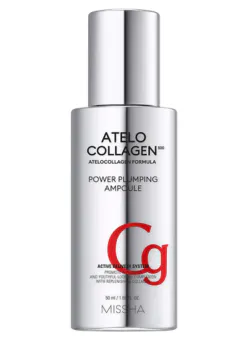
The Missha Atelo Collagen 500 Power Plumping Ampoule retails for $29.90 for 50ml. Here's how it stacks up against the Sisley on each of our target ingredients.
Glycerin sits third on the Missha ingredient list, in a comparable position to the Sisley. Both products use it as a primary humectant at meaningful concentrations.
Sodium Hyaluronate is present in the Missha formula. The product also contains Hydrolyzed Hyaluronic Acid and Hyaluronic Acid in additional forms, giving it a broader hyaluronic acid profile than the Sisley.
Laminaria Japonica Extract is the Missha's seaweed ingredient. It's not the exact same species as the Sisley's Ascophyllum Nodosum, but both are brown algae. They belong to the same class of marine organisms and deliver similar profiles of polyphenols, minerals, and antioxidants. It's a functionally close match, not an identical one.
Cyanocobalamin (Vitamin B12) is present in the Missha formula. This was the Sisley's most distinctive ingredient, and the Missha matches it directly.
That's all three core actives plus the bonus ingredient, covered.
What does the Missha have that the Sisley doesn't?
The Missha formula goes further than just matching the Sisley's core ingredients. It includes several actives that the Sisley doesn't have.
Niacinamide is a well-studied ingredient for supporting skin barrier function, regulating oil production, and improving skin tone.
Multiple collagen types including Hydrolyzed Collagen Extract, Soluble Collagen, and Atelocollagen form the backbone of the Missha's identity. The brand claims the 500-dalton molecular weight allows deeper absorption.
Centella Asiatica Extract is a proven soothing and healing ingredient widely used in Korean skincare.
Bifida Ferment Lysate is a fermented ingredient that supports the skin barrier and provides antioxidant benefits.
Peptides including Copper Tripeptide-1 and Palmitoyl Pentapeptide-4 support collagen production and skin repair.
What's in the Sisley that the Missha doesn't have?
The Missha doesn't include the Rosa Hybrid Flower Extract, Rosa Damascena Flower Oil, or the broader rose complex that defines the Sisley's sensory identity. If the Black Rose experience matters to you, the scent, the pink tint, the luxury ritual, you won't find that here. This is a straightforward K-beauty ampoule.
The Biosaccharide Gum-1 is also absent from the Missha formula, though its collagen complex arguably serves a similar structural support function.
Do they claim to do the same thing?
Mostly, but the emphasis is different.
The Sisley Black Rose Concentrate claims to plump, firm, and deliver a more youthful appearance, with a strong emphasis on radiance, luminosity, skin tone evenness, and texture refinement. It positions itself around four pillars: plumpness, texture, vitality, and luminosity.
The Missha Atelo Collagen 500 claims to smooth wrinkles for a lifted, rejuvenated appearance, plumping skin with collagen to improve elasticity and firmness. Its emphasis is more on wrinkle smoothing and collagen delivery than radiance.
The ingredient overlap supports both sets of claims. The shared brown seaweed extract and Vitamin B12 serve the radiance and soothing side, while the Missha's multiple collagen types and peptides serve the firming and wrinkle-smoothing side.
How much cheaper is the Missha than the Sisley?
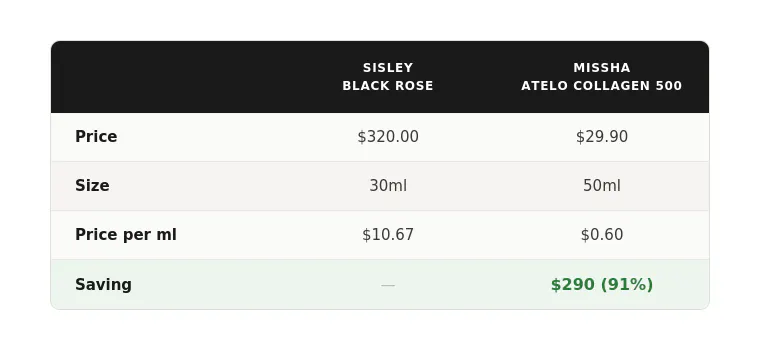
The Missha is not only cheaper in absolute terms, it also gives you more product. You get 50ml for $29.90 compared to 30ml for $320. On a per-ml basis, the Sisley costs roughly 18 times more.
The bottom line
The formulas aren't identical, and neither is the experience. The Sisley is a luxury product with a distinctive rose-based sensory profile and elegant packaging. The Missha is a no-frills Korean beauty ampoule that prioritises ingredient density over presentation.
But if the core job you want done is brown seaweed + hyaluronic acid + glycerin + Vitamin B12 in a hydrating anti-aging serum, the Missha covers that for roughly a tenth of the price. And it throws in Niacinamide, multiple collagens, Centella Asiatica, and peptides on top.
As always, we're comparing ingredient lists, not making medical claims. Your skin is yours. Patch test and see what works.
Frequently Asked Questions
Is Missha Atelo Collagen 500 a good dupe for Sisley Black Rose Concentrate? Yes. It matches on all three core functional ingredients (brown seaweed extract, Sodium Hyaluronate, Glycerin) and also contains Cyanocobalamin (Vitamin B12), which is the Sisley's most distinctive active. It retails for $29.90 compared to Sisley's $320.
What are the key ingredients in Sisley Black Rose Concentrate Radiant Youth Serum? The three core functional ingredients are Ascophyllum Nodosum Extract (a brown seaweed rich in antioxidants), Sodium Hyaluronate (hyaluronic acid for hydration and plumping), and Glycerin (a humectant for moisture retention). The formula also contains Cyanocobalamin (Vitamin B12), an unusual skincare ingredient with anti-inflammatory properties.
Are the seaweed extracts in Sisley and Missha the same? Not exactly. Sisley uses Ascophyllum Nodosum (knotted wrack) and Missha uses Laminaria Japonica (Japanese kelp). Both are brown algae with similar profiles of polyphenols, minerals, and antioxidants. It's a functionally close match, not an identical one.
Do Sisley Black Rose and Missha Atelo Collagen claim to do the same thing? Both are anti-aging serums that claim to plump and firm skin. The difference is emphasis. Sisley focuses on radiance, luminosity, and skin tone evenness. Missha focuses on wrinkle smoothing and collagen delivery. The shared ingredients support both sets of claims.
Is the Sisley Black Rose Concentrate worth $320? That depends on what you value. The Sisley has a distinctive rose-based sensory experience, luxury packaging, and a sealed activation system designed to preserve ingredient freshness. The functional core of the formula, however, can be matched at a fraction of the price. Whether the experience justifies the premium is a personal call.
What does Missha Atelo Collagen have that Sisley Black Rose doesn't? Niacinamide, multiple forms of collagen (Hydrolyzed Collagen Extract, Soluble Collagen, Atelocollagen), Centella Asiatica Extract, Bifida Ferment Lysate, and peptides including Copper Tripeptide-1 and Palmitoyl Pentapeptide-4.